
DOT Drug Testing Program Design


DOT Drug Testing
Key Features of DOT Drug Testing:
- Regulated by Federal Law: DOT drug testing adheres to strict guidelines set forth in 49 CFR Part 40 of the Code of Federal Regulations.
- Who Must Comply: Employees in safety-sensitive positions (e.g., pilots, truck drivers, train operators, ship captains) are subject to this testing.
What a DOT Drug & Alcohol Program Is
Program ≠ Policy
- Policy = written rules employees receive
- Program = the operational system that ensures required testing actually occurs, is documented, and is defensible in an audit
DOT regulators care far more about the program than the policy.

Build a DOT Drug Testing Program That Meets Federal Compliance Requirements
A successful DOT Drug Testing Program begins with a well-designed compliance strategy that aligns with federal regulations while supporting your organization’s operational needs. Employers regulated by the U.S. Department of Transportation must establish written policies, designate safety-sensitive positions, educate employees, train supervisors, and administer drug and alcohol testing according to 49 CFR Part 40 and the applicable DOT agency regulations. A professionally designed program reduces compliance risks, improves workplace safety, minimizes administrative burdens, and prepares employers for DOT audits. At Crossroads Drug & Alcohol Testing, we help organizations build customized DOT drug testing programs that are compliant, scalable, and easy to manage for businesses of every size.
Every DOT Drug Testing Program Should Include
A compliant DOT drug testing program is much more than scheduling laboratory tests. Employers are responsible for implementing procedures that consistently satisfy federal regulations while protecting employees, customers, and the public.
Every DOT program should include:
- Written DOT Drug & Alcohol Testing Policy
- Employee Education Materials
- Supervisor Reasonable Suspicion Training
- Pre-Employment Drug Testing
- Random Drug & Alcohol Testing
- Post-Accident Testing
- Reasonable Suspicion Testing
- Return-to-Duty Testing
- Follow-Up Testing
- FMCSA Clearinghouse Management
- Consortium Enrollment (when applicable)
- Certified Laboratory Testing
- Medical Review Officer (MRO) Review
- Electronic Chain of Custody Forms (eCCF)
- Complete Recordkeeping and Audit Documentation
Together, these components create a defensible compliance program that helps employers remain audit-ready throughout the year.
Customized DOT Drug Testing Programs for Every Industry
Every DOT-regulated employer faces unique operational challenges. A trucking company with ten CDL drivers has different compliance needs than a municipal transit agency, airline, railroad contractor, or pipeline operator. Crossroads designs customized DOT drug testing programs based on your workforce size, operational structure, testing frequency, and regulatory requirements. Whether you’re launching a new transportation business or improving an existing compliance program, our team develops a practical solution that simplifies administration while ensuring federal compliance. We help employers reduce paperwork, improve efficiency, and create repeatable compliance processes that support long-term business growth.
Benefits of a Professionally Designed DOT Drug Testing Program
A properly designed DOT drug testing program provides benefits that extend beyond regulatory compliance. It helps organizations reduce workplace accidents, improve hiring decisions, strengthen safety culture, lower liability exposure, and build trust with customers and regulatory agencies. By partnering with Crossroads, employers gain access to experienced compliance professionals who monitor changing regulations, coordinate testing events, maintain documentation, and provide ongoing guidance. Instead of reacting to compliance issues after they occur, employers can proactively manage risk through a structured and well-maintained testing program.
Common Mistakes Employers Make When Designing a DOT Drug Testing Program
Many compliance issues begin long before an audit occurs. Common mistakes include failing to enroll employees in a random testing consortium, using outdated written policies, missing required supervisor training, failing to perform pre-employment testing before safety-sensitive duties begin, or maintaining incomplete testing records. Some employers also misunderstand FMCSA Clearinghouse requirements or fail to conduct annual limited queries for CDL drivers. A professionally managed program helps identify and correct these issues before they become costly violations or enforcement actions.
Why Employers Trust Crossroads
For more than 28 years, Crossroads Drug & Alcohol Testing has helped employers develop and manage DOT drug and alcohol testing programs that meet federal standards while simplifying day-to-day administration. Our experienced team provides comprehensive Third Party Administrator (TPA) services, certified specimen collection, mobile testing, consortium management, FMCSA Clearinghouse support, audit preparation, and responsive customer service. We partner with employers to create programs that are compliant, efficient, and built around workplace safety rather than simply completing required tests.
Core Design Principle
A compliant DOT program is a closed-loop system that ensures:
- Every covered employee is identified
- Every required test is triggered
- Every result is reviewed correctly
- Every action is documented and retained
Miss any loop → non-compliance.

1. Identify the Regulated Population
Before anything else, the program must clearly define who is covered.
Required Actions
- Identify safety-sensitive positions as defined by the applicable DOT agency
- Maintain a live roster of:
- Active safety-sensitive employees
- New hires
- Transfers into safety-sensitive roles
- Employees returning from leave
Program Design Best Practice
- Roster must be date-stamped, versioned, and auditable
- HR changes must automatically trigger program actions (e.g., pre-employment, return-to-duty).
2. Select the Governing DOT Agency (Modal Authority)
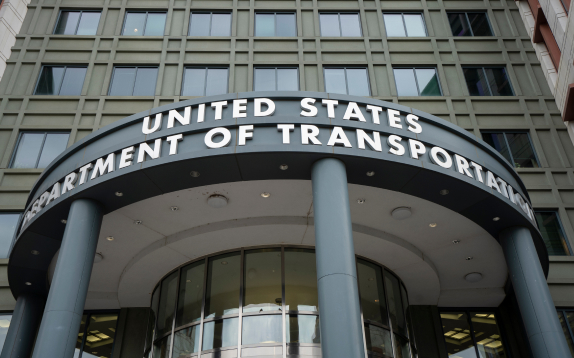
Each employer is regulated by one or more DOT agencies, which define when testing is required.
Common Modal Authorities
- Federal Motor Carrier Safety Administration (FMCSA) – 49 CFR Part 382
- Federal Aviation Administration (FAA) – 14 CFR Part 120
- Federal Transit Administration (FTA) – 49 CFR Part 655
- Federal Railroad Administration (FRA) – 49 CFR Part 219
- Pipeline and Hazardous Materials Safety Administration (PHMSA) – 49 CFR Part 199
Program Rule
Each testing event must be mapped to:
- 49 CFR Part 40 (procedures)
Modal regulation (when/why testing occurs)

3. Build the Required Testing Event Triggers
Every DOT program must operationally support six testing events.
Mandatory Testing Types
Your program must automatically handle:
- Pre-Employment
- Random
- Post-Accident
- Reasonable Suspicion
- Return-to-Duty
- Follow-Up
Program Design Requirement
Each trigger must define:
- Who initiates it
- How quickly it must occur
- Who documents the decision
- How proof of compliance is stored

4. Random Testing Program (Most Common Failure Point)
Random testing is neither optional nor flexible.
Required Program Elements
- Enrollment in a DOT-compliant random pool
- The pool includes only active safety-sensitive employees
- Selections must be:
- Scientifically valid
- Unpredictable
- Spread throughout the year
Program Controls
- Written proof of pool enrollment
- Quarterly selection reports
- Proof that each selected employee was:
- Notified
- Tested
- Or documented as excused (with reason)
Missed randoms are one of the top DOT audit violations.
5. Collection & Testing Infrastructure
Your program must control where and how tests occur.
Required Components
- DOT-qualified collectors
- DOT-approved laboratories
- Certified Medical Review Officer (MRO)
- Breath Alcohol Technicians (BATs) / STTs
Program Design Rule
Employers may outsource services, but cannot outsource responsibility.
Every vendor relationship must be:
- Contracted
- Documented
- Auditable

6. Medical Review & Result Management
A DOT program lives or dies at the MRO layer.
Required MRO Functions
- Review all non-negative drug results
- Conduct donor interviews
- Verify results per Part 40
- Report outcomes to the employer
Program Controls
- Secure result delivery
- Separation of confidential medical data
- Timely employer notification for:
- Positives
- Refusals
- Cancellations

7. Supervisor Training Integration (Alcohol & Drugs)
A DOT program must prove that supervisors are trained.
Minimum Requirement
- 60 minutes of drug training
- 60 minutes of alcohol training
Program Design Best Practice
- Training tied to supervisor role assignment
- Certificates retained
- Refresher tracking (even if not federally required)

8. SAP, Return-to-Duty & Follow-Up Management
Once a violation occurs, the program must take over automatically.
Required Program Elements
- SAP referral tracking
- Proof of completion of treatment/education
- Observed return-to-duty testing
- Follow-up test schedule (1–5 years)
Program Rule
No employee may resume safety-sensitive duties without:
- SAP clearance
- Negative return-to-duty test
- Follow-up plan entered into the system

9. Record keeping & Audit Readiness
DOT audits are document audits.
Required Retention (examples)
- Positives/refusals: 5 years
- Random selections: 2 years
- Training records: 2 years
- Negative test results: 1 year
Program Design Best Practice
- Centralized compliance repository
- Audit-ready within 24–48 hours
- Clear separation of:
- HR records
- DOT testing records
- Medical data

10. Governance & Accountability Layer
Every compliant program assigns ownership.
Must Be Defined
- Designated Employer Representative (DER)
- Backup DER
- After-hours incident procedures
- Escalation path for refusals or accidents

Final Program Design Test
A DOT drug & alcohol testing program is correctly designed if:
- Every safety-sensitive employee is accounted for
- Every required test is triggered automatically
- No result bypasses MRO review
- No violation lacks SAP tracking
- An auditor can reconstruct events without explanation
Need Immediate Testing?
We’re Ready to Help.
Whether it’s a same-day requirement, post-accident testing, or a last-minute pre-employment screen, our certified collectors are available to assist you right now.
Stay Informed With Compliance Updates
Get the latest testing requirements, compliance reminders, and workplace safety updates delivered straight to your inbox.