
Human Resources


Workplace drug testing involves balancing legal compliance, employee rights, and workplace safety.

Develop a Clear Drug Testing Policy

- Develop a Clear Drug Testing Policy
- Document the Policy: Clearly define the purpose, procedures, and consequences of drug testing in your employee handbook.
- Specify Testing Circumstances:
- Pre-employment
- Random
- Post-accident
- Reasonable suspicion
- Return-to-duty or follow-up

- Ensure Legal Compliance
- Know Local and Federal Laws: Research laws governing workplace drug testing, such as the Drug-Free Workplace Act (if applicable) and state-specific regulations.
- Accommodate Medical Marijuana: In states where medical or recreational marijuana is legal, consider how these laws affect your policy.
- Avoid Discrimination: Ensure drug testing does not target specific groups and aligns with Equal Employment Opportunity Commission (EEOC) guidelines.

- Use Certified Laboratories
- Partner with labs certified by organizations like the Substance Abuse and Mental Health Services Administration (SAMHSA) or Clinical Laboratory Improvement Amendments (CLIA).
- Ensure the testing process includes chain-of-custody protocols to maintain accuracy and reliability.
- Communicate the Policy Clearly
- Employee Awareness: Train employees and supervisors about the policy, its purpose, and their rights.
- Supervisor Training: Educate supervisors on how to recognize signs of substance use and handle reasonable suspicion cases.

- Protect Confidentiality
- Treat all drug test results and related information as confidential.
- Share results only with authorized personnel on a need-to-know basis.
- Follow Fair Procedures
- Random Selection: Use impartial methods for random testing (e.g., software or third-party services).
- Confirmatory Testing: Conduct a second test (e.g., GC-MS or LC-MS) to confirm positive results.
- Allow for Explanations: Provide employees an opportunity to explain or contest results, especially if prescription drugs are involved.
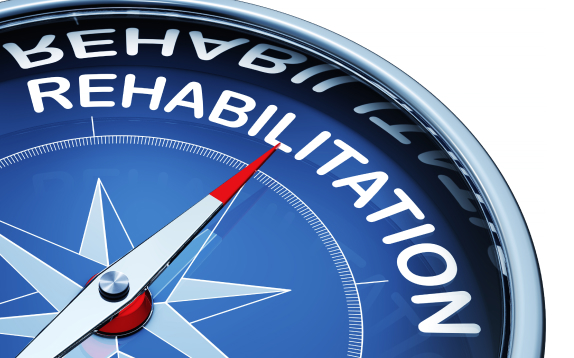
- Focus on Rehabilitation Over Punishment
- Offer assistance through an Employee Assistance Program (EAP) for employees struggling with substance use.
- Provide a path to return to work after rehabilitation if appropriate.
- Regularly Review and Update Policies
- Stay Current: Adjust policies in response to changing laws, workplace needs, and feedback.
- Audit Procedures: Periodically evaluate the effectiveness of your drug testing program.

- Minimize Workplace Disruption
- Schedule drug testing to avoid interrupting operations.
- Handle testing discreetly to maintain employee morale and trust.
- Consult Legal and HR Professionals
- Work with legal counsel and HR experts to ensure your program is compliant, ethical, and effective.
By following these practices, HR can create a drug testing program that promotes safety, respects employees’ rights, and minimizes legal risks.
Supporting Human Resources with DOT Compliance
Human Resources professionals play a critical role in maintaining a compliant DOT drug and alcohol testing program. From hiring CDL drivers to managing random testing selections and maintaining required documentation, HR departments must ensure every step complies with federal regulations. Crossroads Drug & Alcohol Testing partners with HR teams by providing comprehensive DOT compliance services, including pre-employment testing, random testing administration, post-accident testing, reasonable suspicion testing, policy guidance, and compliance support. Our experienced team helps employers reduce administrative burdens while maintaining compliance with DOT and FMCSA requirements. Employers remain responsible for compliance even when working with qualified service agents or C/TPAs.
If you are ready, click here to Book An Appointment
Streamline Your Hiring Process
Hiring qualified CDL drivers requires more than conducting a pre-employment drug test. HR professionals must also verify driver eligibility, complete required DOT documentation, coordinate Clearinghouse queries when applicable, and maintain accurate testing records. Crossroads simplifies the hiring process by coordinating testing appointments, managing chain of custody documentation, working with certified laboratories and Medical Review Officers (MROs), and helping employers stay organized throughout the onboarding process.
Complete Employee Testing Program Management
Managing a DOT drug and alcohol testing program involves much more than scheduling tests. Human Resources teams must oversee random testing pools, maintain confidential employee records, coordinate post-accident and reasonable suspicion testing, ensure supervisors receive required training, and prepare for DOT audits. Crossroads provides complete program administration that helps HR departments stay compliant while allowing staff to focus on recruiting, employee development, and daily operations.
If you are ready, click here to Book An Appointment
Reduce Compliance Risk
DOT drug and alcohol regulations continue to evolve, making compliance increasingly complex for employers. Missing required documentation, failing to complete mandatory testing, or overlooking annual program requirements can expose businesses to regulatory penalties and failed audits. By partnering with Crossroads Drug & Alcohol Testing, Human Resources professionals gain access to experienced compliance specialists who monitor program requirements, maintain testing records, coordinate required services, and help employers build a consistent, audit-ready compliance program.
FAQ's
Frequently Asked Questions about Human Resources
How can Human Resources simplify DOT drug testing compliance?
Working with an experienced Consortium/Third-Party Administrator (C/TPA) allows HR teams to outsource many administrative responsibilities, including random testing administration, scheduling collections, maintaining records, and coordinating compliance services, while the employer retains overall responsibility for regulatory compliance.
What DOT testing responsibilities does HR typically manage?
Human Resources departments commonly coordinate:
- Pre-employment drug testing
- Random drug and alcohol testing
- Post-accident testing
- Reasonable suspicion testing
- Return-to-duty and follow-up testing
- Employee recordkeeping
- Supervisor training coordination
- DOT policy administration
Can Crossroads help with DOT audits?
Yes. Crossroads assists employers with maintaining organized compliance documentation, testing records, consortium management, and ongoing program administration to help prepare for DOT audits and inspections.
Why should HR outsource DOT compliance?
Outsourcing DOT drug and alcohol testing administration helps reduce administrative workload, improves consistency, minimizes compliance risk, and gives HR professionals access to experienced compliance specialists familiar with DOT regulations.
Need Immediate Testing?
We’re Ready to Help.
Whether it’s a same-day requirement, post-accident testing, or a last-minute pre-employment screen, our certified collectors are available to assist you right now.
Stay Informed With Compliance Updates
Get the latest testing requirements, compliance reminders, and workplace safety updates delivered straight to your inbox.