
DOT Alcohol Testing


DOT Alcohol Testing Program Requirements for Employers
Stay Compliant. Protect Safety. Reduce Risk.
Understanding these requirements starts with a clear definition: What is a DOT Alcohol Testing Program?
A DOT alcohol testing program is a workplace safety system required by the federal government. It is governed by 49 CFR Part 40 (Code of Federal Regulations), which outlines drug and alcohol testing procedures, as well as rules set by specific transportation agencies.
- Federal Motor Carrier Safety Administration
- Federal Transit Administration
- Federal Aviation Administration
- Federal Railroad Administration
- Pipeline and Hazardous Materials Safety Administration
- United States Coast Guard

- DOT Alcohol Testing for Transportation Employers
These regulations require employers to prevent alcohol misuse among employees performing safety-sensitive transportation duties. The U.S. Department of Transportation (DOT) requires a specific, standardized method for alcohol testing to ensure accuracy, fairness, and legal defensibility.
DOT Alcohol Testing Explained for Employers
DOT Approved Method for Alcohol Testing
DOT alcohol testing is conducted using breath alcohol testing only — not urine, saliva, or blood testing for routine workplace compliance.
The testing procedures are governed by:
49 CFR Part 40 – Procedures for Transportation Workplace Drug and Alcohol Testing Programs
Primary DOT Alcohol Testing Method:
Breath Testing
DOT regulations require alcohol testing using an:
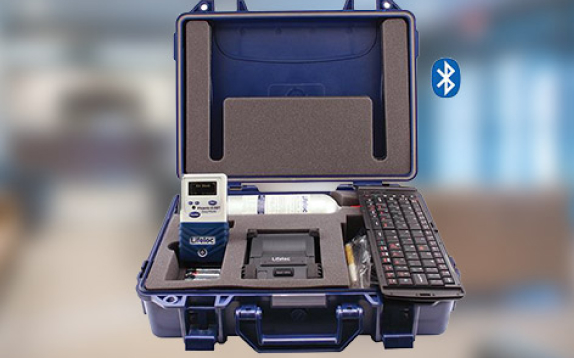
Evidential Breath Testing (EBT) Device
An EBT measures alcohol concentration in a person’s breath and provides legally defensible results equivalent to blood alcohol concentration (BAC).
EBT devices must:
- Be listed on the DOT’s National Highway Traffic Safety Administration (NHTSA) Conforming Products List.
- Provide printed test results.
- Perform automatic calibration checks.
- Conduct confirmation testing
- Maintain tamper-resistant records
Testing is performed by a trained Breath Alcohol Technician (BAT) or Screening Test Technician (STT). A BAT is trained to operate EBT devices and conduct confirmation tests. An STT conducts only initial screening tests, not confirmation tests.

How DOT Alcohol Testing Works
1. Employee Notification
The employee is notified to report for testing immediately. Delays or refusals are considered DOT violations.
2. Screening Breath Test
The employee blows into the EBT device. Possible results: Below 0.02 → Negative test 0.02 or higher → Confirmation test required
3. Mandatory Waiting Period
If alcohol is detected, DOT requires a 15-minute waiting period before confirmation testing to eliminate mouth alcohol contamination.
4. Confirmation Breath Test
A second breath test is performed using the EBT. This result becomes the official DOT alcohol test result. DOT Alcohol Concentration Rules
| Alcohol Concentration (BAC) | Required Action |
|---|---|
| Less than 0.02 | Employee may perform duties |
| 0.02 – 0.039 | Removed from safety-sensitive duty for 24 hours |
| 0.04 or higher | DOT alcohol violation |
A result of 0.04 or greater triggers:
- Immediate removal from duty
- Referral to a Substance Abuse Professional (SAP)
- Return-to-duty process requirements
Methods NOT Allowed for DOT Alcohol Testing
DOT does not permit the following for regulated alcohol testing:
- Urine alcohol testing
- Saliva alcohol testing
- Blood testing (except rare post-accident law enforcement cases)
- Handheld consumer breathalyzers
- Instant or non-certified devices
Only DOT-approved EBT breath testing meets compliance standards.
When DOT Alcohol Testing Is Required
DOT breath alcohol testing is conducted during:
- Random testing
- Post-accident testing
- Reasonable suspicion testing
- Return-to-duty testing
- Follow-up testing
(Some agencies also require pre-employment alcohol testing.)
- Why DOT Uses Breath Testing
Breath alcohol testing is required because it:
- Measures current impairment
- Produces immediate results
- Is scientifically reliable
- Is legally defensible
- Prevents specimen tampering
- Standardizes testing nationwide
DOT Alcohol Testing Services for Transportation Employers
Crossroads Drug & Alcohol Testing provides federally compliant DOT alcohol testing services for employers with safety-sensitive employees regulated by the Federal Motor Carrier Safety Administration, Federal Aviation Administration, Federal Transit Administration, Federal Railroad Administration, Pipeline and Hazardous Materials Safety Administration, and United States Coast Guard. Our trained alcohol-testing professionals help employers coordinate random, post-accident, reasonable-suspicion, return-to-duty, follow-up, and other agency-required alcohol tests under 49 CFR Part 40 and the regulations of the applicable transportation agency. Crossroads supports employers with properly administered screening and confirmation testing, Federal Alcohol Testing Form documentation, mobile testing, program administration, and compliance assistance. Part 40 establishes the standardized federal procedures used for transportation workplace drug and alcohol testing.
If you are ready, click here to Book An Appointment
DOT-Approved Alcohol Screening and Confirmation Testing
DOT alcohol testing follows a two-stage process when the initial result meets or exceeds the federal screening threshold. An approved alcohol screening device or evidential breath-testing device may be used for the initial screening test. Approved screening methods may include breath or saliva, depending on the device and the technician’s qualifications. When the screening result is 0.02 or higher, a confirmation test must be completed using an approved evidential breath-testing device operated by a qualified Breath Alcohol Technician. Other specimen types, including urine and routine blood alcohol testing, are not authorized under Part 40.
If you are ready, click here to Book An Appointment
Our Services
Delivering accurate, timely, and accessible drug and alcohol testing with integrity.
DOT Drug Testing
Lab-based testing for all needs.
DOT Alcohol Testing
Breath alcohol testing.
Live Scan Fingerprinting
Digital fingerprinting for employment and licensing.
DOT Mobile On-Site Testing
24/7 mobile testing at your workplace or incident site.
DOT Random Testing Program
Complete administration for employer and DOT pools.
FMCSA Clearinghouse
Compliance Support for CDL Drivers.
DOT Drug Testing
Crossroads Drug and Alcohol Testing provides reliable DOT drug testing services for employers, owner-operators, trucking companies, transit agencies, aviation, pipeline, railroad, and other Department of Transportation (DOT) regulated industries. Our certified collection professionals perform FMCSA-compliant drug testing, including pre-employment, random, post-accident, reasonable suspicion, return-to-duty, and follow-up testing. We also offer lab-based drug testing using SAMHSA-certified laboratories for accurate, legally defensible results. Whether you need individual testing or a complete workplace drug testing program, Crossroads helps employers remain compliant with federal DOT regulations while providing fast turnaround times and professional customer service.
DOT Alcohol Testing
Crossroads Drug and Alcohol Testing offers professional DOT alcohol testing using federally approved breath alcohol testing (BAT) equipment performed by qualified Breath Alcohol Technicians (BATs). Our DOT-compliant alcohol testing services support employers with pre-duty, post-accident, reasonable suspicion, return-to-duty, follow-up, and other federally required alcohol testing programs. We help trucking companies, transportation businesses, municipalities, and safety-sensitive employers maintain full compliance with FMCSA, DOT, and federal workplace regulations. With fast scheduling, accurate documentation, and experienced technicians, Crossroads makes DOT alcohol testing simple, reliable, and compliant.
Live Scan Fingerprinting
Crossroads Drug and Alcohol Testing provides fast, secure Live Scan fingerprinting services for employment, licensing, certification, volunteer organizations, and background checks. Our digital fingerprinting system electronically submits fingerprints to the appropriate state and federal agencies, helping reduce processing time while improving accuracy. Whether you need California Live Scan fingerprinting for healthcare, education, childcare, security, real estate, government employment, or professional licensing, our trained staff provides efficient service with minimal wait times. We make the fingerprinting process simple, convenient, and compliant with all applicable agency requirements.
DOT Mobile On-Site Testing
Crossroads Drug and Alcohol Testing offers 24/7 DOT mobile on-site drug and alcohol testing at your workplace, job site, terminal, warehouse, construction project, or incident location. Our experienced mobile collection team travels directly to your business, minimizing employee downtime while ensuring full DOT and FMCSA compliance. Mobile testing is ideal for post-accident testing, reasonable suspicion situations, large hiring events, and remote work locations where immediate testing is critical. We provide professional collection services, rapid response times, and accurate documentation so employers can maintain productivity while meeting all federal workplace testing requirements.
DOT Random Testing Program
Our DOT Random Testing Program provides complete administration for employers required to maintain federally compliant random drug and alcohol testing pools. Crossroads manages employee enrollment, scientifically valid random selections, notifications, testing coordination, reporting, and recordkeeping to ensure your organization remains compliant with FMCSA, FAA, FTA, FRA, PHMSA, and USCG regulations. Whether you manage a small fleet or a large transportation company, our random testing program reduces administrative burden while helping protect your business from costly compliance violations and audits.
FMCSA Clearinghouse
Crossroads Drug and Alcohol Testing provides comprehensive FMCSA Drug & Alcohol Clearinghouse services to help employers and CDL drivers remain compliant with federal regulations. We assist with employer registration, driver queries, annual limited queries, full queries, electronic consent management, reporting requirements, and Clearinghouse compliance support. Our experienced team helps trucking companies understand and meet all FMCSA Clearinghouse requirements while avoiding penalties and ensuring drivers remain eligible to operate commercial motor vehicles. Whether you need ongoing compliance management or assistance with a single registration, Crossroads is your trusted Clearinghouse partner.
Qualified Breath Alcohol Technicians and Screening Test Technicians
DOT alcohol testing may only be conducted by qualified testing personnel who meet the training and proficiency requirements established under Part 40. A Screening Test Technician, commonly called an STT, may perform an initial alcohol screening test using an approved device. A Breath Alcohol Technician, commonly called a BAT, may perform both screening and confirmation breath tests using an approved evidential breath-testing device. Crossroads helps employers ensure that federally required testing is completed by appropriately qualified personnel using the required procedures and documentation.
If you are ready, click here to Book An Appointment
Frequently Asked Questions
DOT alcohol testing FAQ:
Is DOT alcohol testing performed with breath or saliva?
An approved breath or saliva device may be used for the initial screening test. When confirmation testing is required, the confirmation test must use breath and an approved evidential breath-testing device.
Can urine be used for a DOT alcohol test?
No. Urine is not an authorized specimen for DOT alcohol testing under Part 40. Blood testing is also not used as the standard Part 40 workplace alcohol-testing method.
What happens when the screening result is 0.02 or higher?
A confirmation test is required. The technician must observe the required waiting period and conduct the confirmation test using an approved evidential breath-testing device.
What happens after an alcohol result of 0.04 or higher?
The employer must immediately remove the employee from safety-sensitive functions. The employee may not return until completing the Substance Abuse Professional and return-to-duty process required under Part 40.
Does a result between 0.02 and 0.039 count as a positive DOT alcohol test?
It is below the federal violation threshold of 0.04, but it still requires temporary removal from safety-sensitive functions according to the applicable DOT agency regulation.
Who may perform a DOT alcohol test?
A qualified STT may conduct an initial screening test. A qualified BAT may perform screening and confirmation breath testing.
Is a consumer breathalyzer acceptable for DOT testing?
No. DOT alcohol tests must use devices approved for Part 40 testing and must follow federal procedures. Only approved alcohol-screening devices and evidential breath-testing devices may be used for the applicable testing stage.
Can Crossroads provide post-accident alcohol testing?
Yes. Crossroads can coordinate post-accident testing using qualified technicians and approved procedures. The employer must first determine whether testing is required under the applicable transportation-agency regulation.
Need Immediate Testing?
We’re Ready to Help.
Whether it’s a same-day requirement, post-accident testing, or a last-minute pre-employment screen, our certified collectors are available to assist you right now.
Stay Informed With Compliance Updates
Get the latest testing requirements, compliance reminders, and workplace safety updates delivered straight to your inbox.