
DOT Alcohol Testing


DOT Alcohol Testing Program Requirements for Employers
Stay Compliant. Protect Safety. Reduce Risk.
Understanding these requirements starts with a clear definition: What is a DOT Alcohol Testing Program?
A DOT alcohol testing program is a workplace safety system required by the federal government. It is governed by 49 CFR Part 40 (Code of Federal Regulations), which outlines drug and alcohol testing procedures, as well as rules set by specific transportation agencies.
- Federal Motor Carrier Safety Administration
- Federal Transit Administration
- Federal Aviation Administration
- Federal Railroad Administration
- Pipeline and Hazardous Materials Safety Administration
- United States Coast Guard

- DOT Alcohol Testing for Transportation Employers
These regulations require employers to prevent alcohol misuse among employees performing safety-sensitive transportation duties. The U.S. Department of Transportation (DOT) requires a specific, standardized method for alcohol testing to ensure accuracy, fairness, and legal defensibility.
DOT alcohol testing further explained for employers
DOT Approved Method for Alcohol Testing
DOT alcohol testing is conducted using breath alcohol testing only — not urine, saliva, or blood testing for routine workplace compliance.
The testing procedures are governed by:
49 CFR Part 40 – Procedures for Transportation Workplace Drug and Alcohol Testing Programs
Primary DOT Alcohol Testing Method:
Breath Testing
DOT regulations require alcohol testing using an:
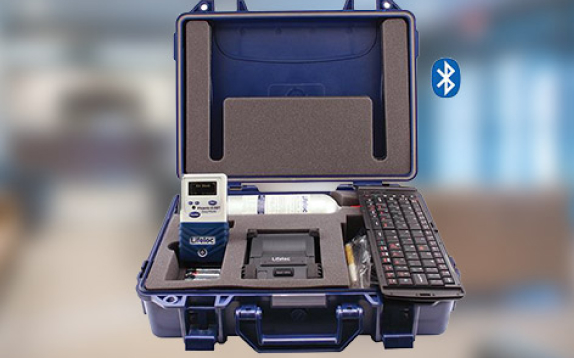
Evidential Breath Testing (EBT) Device
An EBT measures alcohol concentration in a person’s breath and provides legally defensible results equivalent to blood alcohol concentration (BAC).
EBT devices must:
- Be listed on the DOT’s National Highway Traffic Safety Administration (NHTSA) Conforming Products List.
- Provide printed test results.
- Perform automatic calibration checks.
- Conduct confirmation testing
- Maintain tamper-resistant records
Testing is performed by a trained Breath Alcohol Technician (BAT) or Screening Test Technician (STT). A BAT is trained to operate EBT devices and conduct confirmation tests. An STT conducts only initial screening tests, not confirmation tests.

How DOT Alcohol Testing Works
1. Employee Notification
The employee is notified to report for testing immediately. Delays or refusals are considered DOT violations.
2. Screening Breath Test
The employee blows into the EBT device. Possible results: Below 0.02 → Negative test 0.02 or higher → Confirmation test required
3. Mandatory Waiting Period
If alcohol is detected, DOT requires a 15-minute waiting period before confirmation testing to eliminate mouth alcohol contamination.
4. Confirmation Breath Test
A second breath test is performed using the EBT. This result becomes the official DOT alcohol test result. DOT Alcohol Concentration Rules
| Alcohol Concentration (BAC) | Required Action |
|---|---|
| Less than 0.02 | Employee may perform duties |
| 0.02 – 0.039 | Removed from safety-sensitive duty for 24 hours |
| 0.04 or higher | DOT alcohol violation |
A result of 0.04 or greater triggers:
- Immediate removal from duty
- Referral to a Substance Abuse Professional (SAP)
- Return-to-duty process requirements
Methods NOT Allowed for DOT Alcohol Testing
DOT does not permit the following for regulated alcohol testing:
- Urine alcohol testing
- Saliva alcohol testing
- Blood testing (except rare post-accident law enforcement cases)
- Handheld consumer breathalyzers
- Instant or non-certified devices
Only DOT-approved EBT breath testing meets compliance standards.
When DOT Alcohol Testing Is Required
DOT breath alcohol testing is conducted during:
- Random testing
- Post-accident testing
- Reasonable suspicion testing
- Return-to-duty testing
- Follow-up testing
(Some agencies also require pre-employment alcohol testing.)
- Why DOT Uses Breath Testing
Breath alcohol testing is required because it:
- Measures current impairment
- Produces immediate results
- Is scientifically reliable
- Is legally defensible
- Prevents specimen tampering
- Standardizes testing nationwide
Need Immediate Testing?
We’re Ready to Help.
Whether it’s a same-day requirement, post-accident testing, or a last-minute pre-employment screen, our certified collectors are available to assist you right now.
Stay Informed With Compliance Updates
Get the latest testing requirements, compliance reminders, and workplace safety updates delivered straight to your inbox.